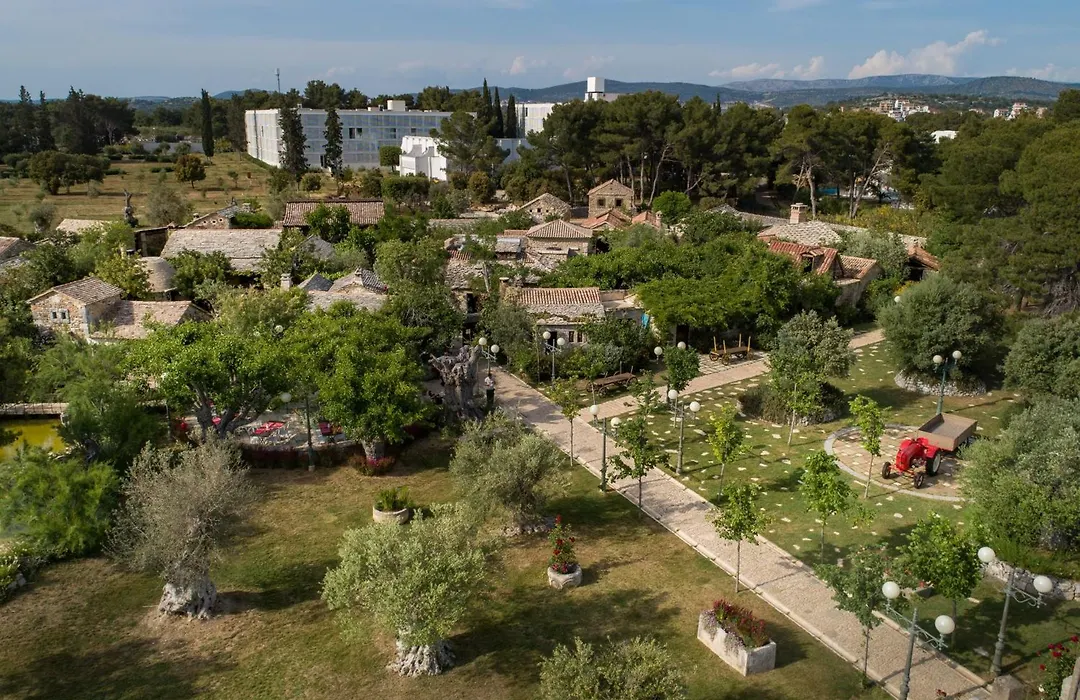
Forest Park GVOZDENOVO: Nature's Sanctuary Near Sibenik
October 06, 2025

We hiked through GVOZDENOVO's stunning trails for about four hours, capturing incredible photos of the Dalmatian landscape and spotting several rare bird species along the way. The park is easily accessible from Sibenik, with well-marked paths and stunning views that make it a perfect half-day adventure for nature lovers and photographers.
Hidden in the rocky landscape near Sibenik, Forest Park GVOZDENOVO offers a secret window into Croatia's untouched Mediterranean wilderness. Discover a natural sanctuary where rare birds, ancient trees, and breathtaking coastal views tell stories unknown to most travelers.
Need-to-Know Info Before Visiting Forest Park GVOZDENOVO
Forest Park GVOZDENOVO Address
Near Sibenik, Šibensko-kninska County, Croatia
Forest Park GVOZDENOVO Opening Hours
- 🕒 Summer Season (May-September): 7 AM - 9 PM
- 🕒 Winter Season (October-April): 8 AM - 5 PM
- 🕒 Closed on major Croatian holidays
How to get to Forest Park GVOZDENOVO
- 🚗 By car: Follow D8 coastal road, signs to GVOZDENOVO
- 🚌 Public transport: Local bus from Sibenik city center
- 🚕 Rideshare: Taxi services available from Sibenik
What is Forest Park GVOZDENOVO known for?
- Pristine Mediterranean forest landscape with indigenous Croatian plant species
- Hiking trails offering panoramic views of Sibenik region
- Protected natural area with diverse ecological zones
What is Forest Park GVOZDENOVO in Sibenik?
Forest Park GVOZDENOVO sits just outside Sibenik as a quiet nature retreat that most tourists skip but locals know well. Located in the rocky Dalmatian landscape, this park covers roughly 20 hectares of untouched Mediterranean woodland, offering visitors a glimpse into Croatia's natural ecosystem. While not a major tourist destination, GVOZDENOVO attracts hikers, nature photographers, and locals seeking an escape from coastal crowds. The park features well-maintained walking trails that wind through dense pine and oak forests, providing panoramic views of the Sibenik archipelago. During summer months, the park becomes a cool sanctuary where temperatures drop several degrees below the hot coastal regions. Weekends see local families and hiking groups exploring its network of paths, making it more of a community space than a commercial tourist attraction. Wildlife enthusiasts might spot native bird species like the European green woodpecker or catch glimpses of small mammals native to the Dalmatian coastal region. Unlike manicured city parks, GVOZDENOVO maintains its wild, natural character, presenting an authentic slice of Croatian landscape that feels untouched by mass tourism.
Top things to do at Forest Park GVOZDENOVO
- Hike the Dalmatian Coastal Trail, a 5-kilometer marked path that traverses the park's most scenic terrain and offers stunning views of the Sibenik archipelago
- Bird watching along designated observation points where you can spot native species like European green woodpeckers, rock partridges, and various migratory birds during spring and autumn
- Photography expeditions through different ecological zones, capturing the diverse Mediterranean plant life including endemic pine and oak forest landscapes
- Join guided nature walks hosted by local environmental groups that explain the park's unique ecosystem and conservation efforts (typically available on weekends during summer months)
- Mountain biking on designated trails that wind through different elevation levels, offering challenging routes for intermediate and advanced cyclists
- Participate in seasonal botanical workshops that teach visitors about native Croatian plant species and local ecological preservation techniques
Tickets and Entry
Forest Park GVOZDENOVO offers free public access, making it an affordable outdoor destination for travelers and locals. While there's no entry fee, guided tours and specialized nature workshops may have separate charges ranging from 30-50 Croatian Kuna (approximately €4-€7). No advance booking is required for general park entry, but group tours should be reserved in advance through the local Sibenik tourist information center.
Best Time to Visit
The optimal time to explore Forest Park GVOZDENOVO is between May and September when temperatures are mild and hiking conditions are ideal. Early morning (7-9 AM) and late afternoon (4-6 PM) provide the most comfortable temperatures and best wildlife viewing opportunities. Spring offers spectacular wildflower blooming, while autumn presents stunning foliage colors. Winter visits are possible but can be chilly and less accessible due to potential mountain trail conditions.
History of Forest Park GVOZDENOVO
- 1960s: Initial recognition of the area's ecological significance by local conservation groups
- 1975: Officially designated as a protected natural area by regional environmental authorities
- 1990: Developed initial hiking trails and established basic infrastructure
- 2005: Expanded conservation efforts and implemented sustainable tourism guidelines
- 2015: Comprehensive ecological management plan introduced to preserve native biodiversity
Tips for Visitors
- Wear sturdy hiking shoes with good ankle support
- Bring water bottles and snacks, as facilities inside the park are minimal
- Download offline maps before visiting, as mobile coverage can be spotty
- Check local weather forecast and dress in layers
- Carry basic first-aid kit and insect repellent
- Respect wildlife and follow 'leave no trace' principles
- Recommended visit duration: 3-4 hours for full trail exploration
What are some interesting facts about Forest Park GVOZDENOVO?
- Local rangers have documented over 37 unique bird species nesting in the park, making it a secret hotspot for ornithologists and bird watchers
- The park contains rare geological formations from the Dalmatian coastal limestone region, with some rock formations dating back over 100 million years
- GVOZDENOVO was almost converted into a commercial resort in the early 2000s, but local environmental groups successfully lobbied to preserve it as a protected natural area