Krka National Park: Croatia's Hidden Natural Wonder
September 29, 2025

We hiked the wooden boardwalks for about four hours, swimming near Skradinski Buk waterfall and taking boat tours that revealed hidden river channels. The park's diversity of wildlife and stunning geological formations made this a far more immersive experience than we expected, with opportunities to see rare bird species and understand the unique ecosystem of the Krka River.
Where waterfalls carve through limestone and create a living museum of natural wonder, Krka National Park reveals Croatia's hidden ecological treasure. Discover a landscape where rivers transform into cascading art, and every trail tells a story of geological magic.
Need-to-Know Info Before Visiting Krka National Park
Krka National Park Address
Trg Ivana Pavla II 5, 22222, Skradin, Croatia
Krka National Park Opening Hours
- 🕒 Summer (April-October): Daily 8 AM - 7 PM
- 🕒 Winter (November-March): Daily 9 AM - 4 PM
- 🕒 Closed on major Croatian holidays
How to get to Krka National Park
- 🚗 By car: Direct access from Zagreb-Split highway
- 🚌 Public transport: Bus from Šibenik or Split
- 🚕 Rideshare: Local taxi services available in Skradin
What is Krka National Park known for?
- Home to 7 spectacular travertine waterfalls spanning 45 kilometers
- Unique ecosystem with diverse wildlife and endemic plant species
- One of only two Croatian national parks featuring lakes and waterfalls
What is Krka National Park in Sibenik?
Tucked away in Croatia's Dalmatian region, Krka National Park ranks as a top destination for nature lovers and adventure seekers. Stretching across 109 square kilometers, this park transforms the Krka River into a spectacular landscape of waterfalls, walking trails, and ecological wonders. Tourists from around the world flock here to witness the park's seven unique travertine barriers, which create a series of cascading waterfalls that drop dramatically through limestone terrain. Unlike typical tourist attractions, Krka offers an immersive experience where visitors can walk along wooden boardwalks, swim near waterfalls, and explore a diverse ecosystem that hosts numerous endemic plant and animal species. The park attracts over 1 million visitors annually, making it one of Croatia's most significant natural attractions. Photographers and wildlife enthusiasts particularly appreciate the park's rich biodiversity, which includes rare birds, insects, and plant species found nowhere else in the world. During peak season, visitors can take boat tours, explore historic monasteries within the park, and enjoy guided hiking trails that showcase the region's geological and ecological significance.
Top things to do at Krka National Park
- Swim near Skradinski Buk waterfall, the park's most famous cascade with crystal-clear turquoise waters
- Take a boat tour along the Krka River, exploring the park's seven spectacular travertine barriers and hidden river channels
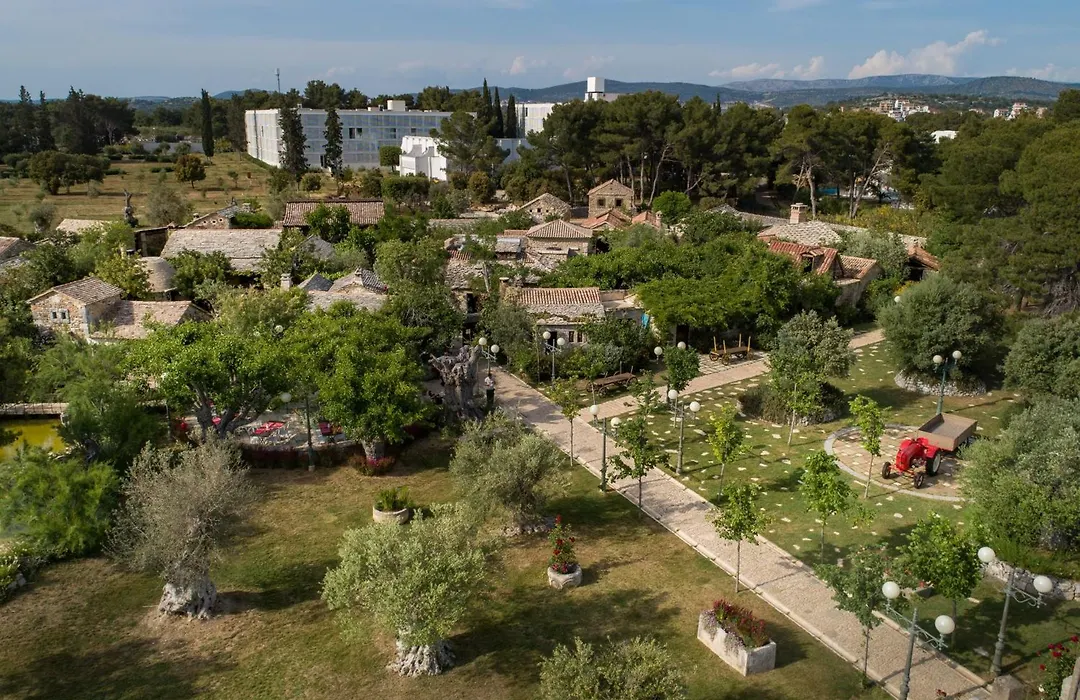
- Visit the traditional water mills at Etno Land, learning about local rural life and historic water-powered technologies
- Hike the park's extensive network of wooden boardwalks and trails, offering close-up views of waterfalls and diverse wildlife
- Explore the Visovac Monastery, located on a small island in the middle of the Krka River, with centuries of historical significance
- Watch for endemic bird species like golden eagles, peregrine falcons, and numerous waterbirds in their natural habitat
- Check out the park's educational center to understand the unique geological formations and ecological importance of the Krka River ecosystem
Tickets for Krka National Park
Adult tickets range from 30-200 Kuna (€4-€27) depending on the season. Online tickets are available through the official park website, offering discounts for advance purchases. Reduced rates exist for children, students, and seniors. During peak summer months (June-August), book tickets in advance to guarantee entry. Ticket prices include access to park trails, boat rides, and most visitor facilities.
Best Time to Visit Krka National Park
May through September offers the best weather and full park accessibility. Summer months (July-August) provide warm temperatures perfect for swimming near waterfalls. Spring (April-May) and early autumn (September) offer milder temperatures and fewer crowds. Winter months limit activities but provide unique landscape photography opportunities. Avoid visiting during heavy rainfall, which can make trails slippery and reduce waterfall visibility.
History of Krka National Park
- 1985: Official declaration as a national park by the Yugoslav government
- 1997: Expanded protection status under Croatian government
- 2001: Enhanced ecological management and conservation programs initiated
- 2009: Developed comprehensive sustainable tourism infrastructure
- 2016: Received international recognition for ecological preservation efforts
- 2020: Implemented advanced environmental monitoring technologies
Tips for Visitors
- Wear comfortable walking shoes with good grip for wooden boardwalks
- Bring water, sunscreen, and a hat during summer months
- Consider purchasing a combined boat and walking tour ticket
- Check water levels before planning swimming activities
- Respect wildlife and stay on marked trails
- Bring a waterproof bag for electronics near waterfalls
What are some interesting facts about Krka National Park?
- The park's travertine barriers are constantly growing, with moss and algae creating new stone formations at approximately 1 centimeter per year
- Krka National Park hosts over 860 different plant species and 222 bird species, making it a critical biodiversity hotspot in Croatia
- The park includes the historic Visovac Monastery, which was founded by Franciscan monks in the 14th century and sits on a tiny island in the middle of the river