Saint Michael's Fortress: Šibenik's Historic Hilltop Landmark
June 29, 2025

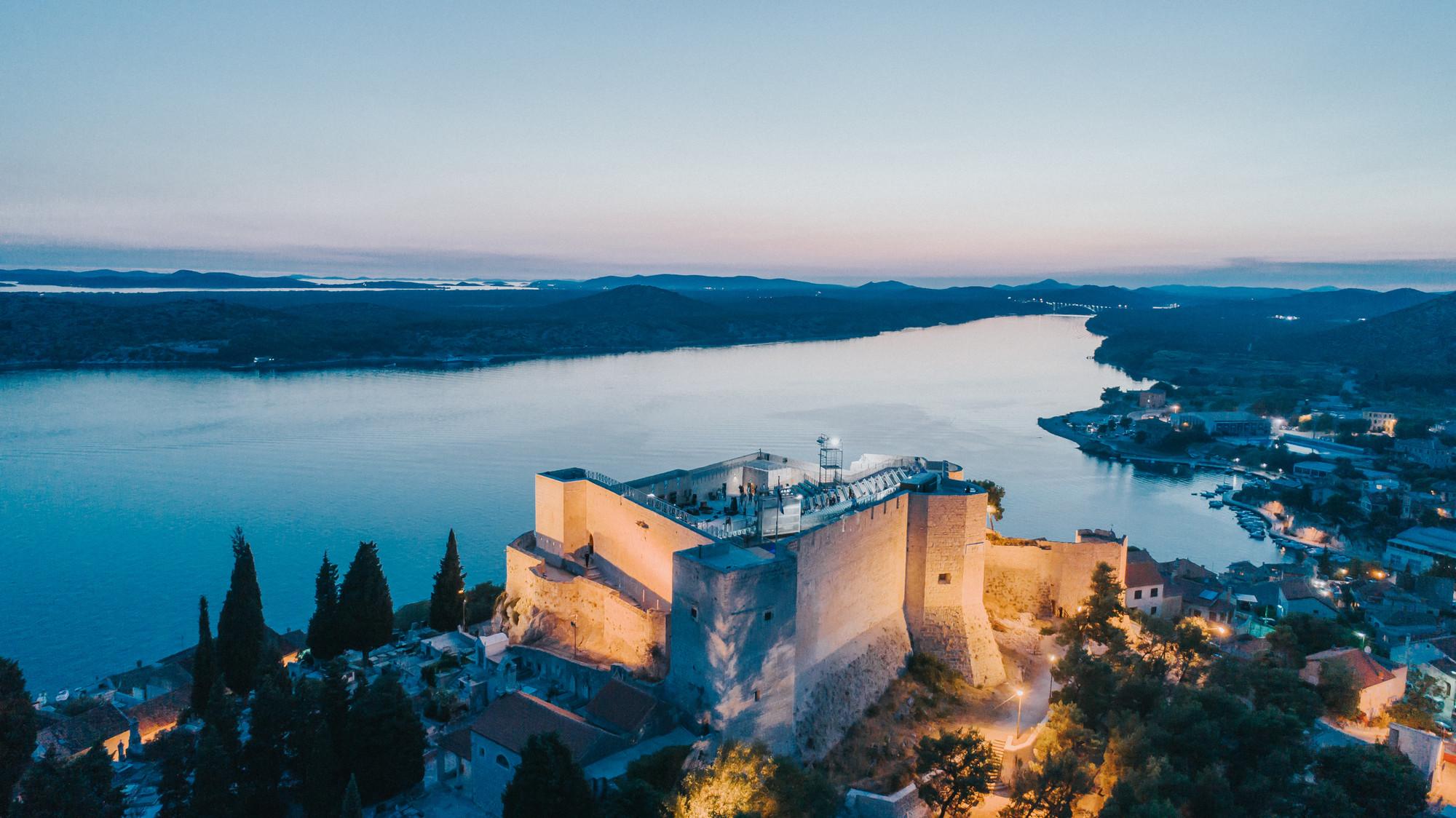
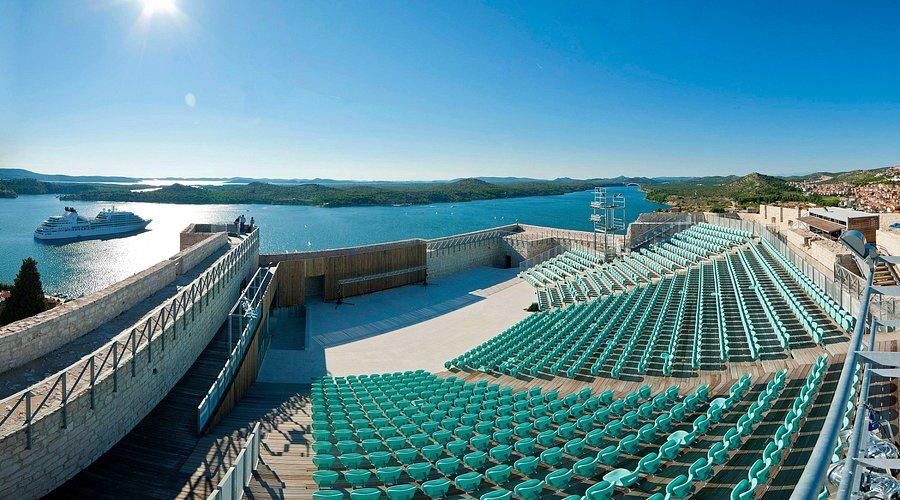
I spent nearly two hours exploring Saint Michael's Fortress, climbing its historic stone battlements and enjoying unparalleled views of Šibenik and the Adriatic coastline. The evening summer concert transformed the medieval fortress into an incredible open-air performance venue with a backdrop that felt like stepping back in time.
Where medieval stone walls meet modern performance art, Saint Michael's Fortress stands as Šibenik's hidden cultural heartbeat. Discover how a 13th-century defensive structure became the Mediterranean's most unexpected summer concert stage.
Need-to-Know Info Before Visiting Saint Michael's Fortress
5+
images
Saint Michael's Fortress Address
Šetalište Petra Nakijevog 2, 22000 Šibenik, Croatia
Saint Michael's Fortress Opening Hours
- 🕒 Summer (May-September): Daily 9 AM - 10 PM
- 🕒 Winter (October-April): Daily 10 AM - 4 PM
- 🕒 Closed on major Croatian holidays
How to get to Saint Michael's Fortress
- 🚗 By car: Park in downtown Šibenik, then walk up
- 🚌 Public transport: Local bus lines 3 and 4 stop nearby
- 🚕 Rideshare: Taxi or Uber available in Šibenik
What is Saint Michael's Fortress known for?
- Birthplace of Šibenik city, dating back to medieval times
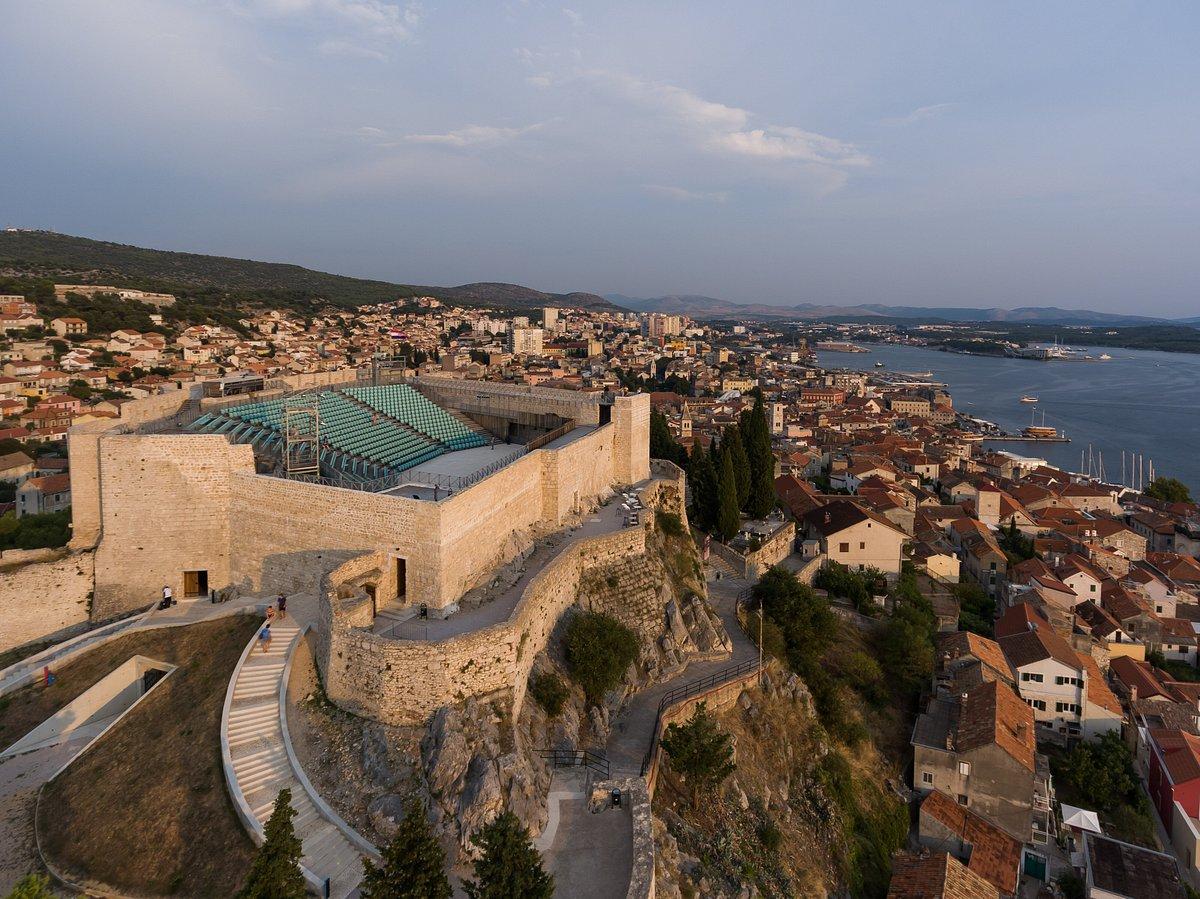
- Offers panoramic views of Šibenik, Krka River, and Adriatic islands
- Premier open-air Mediterranean stage hosting concerts and events
- Strategically located on a steep hill above the historic city center
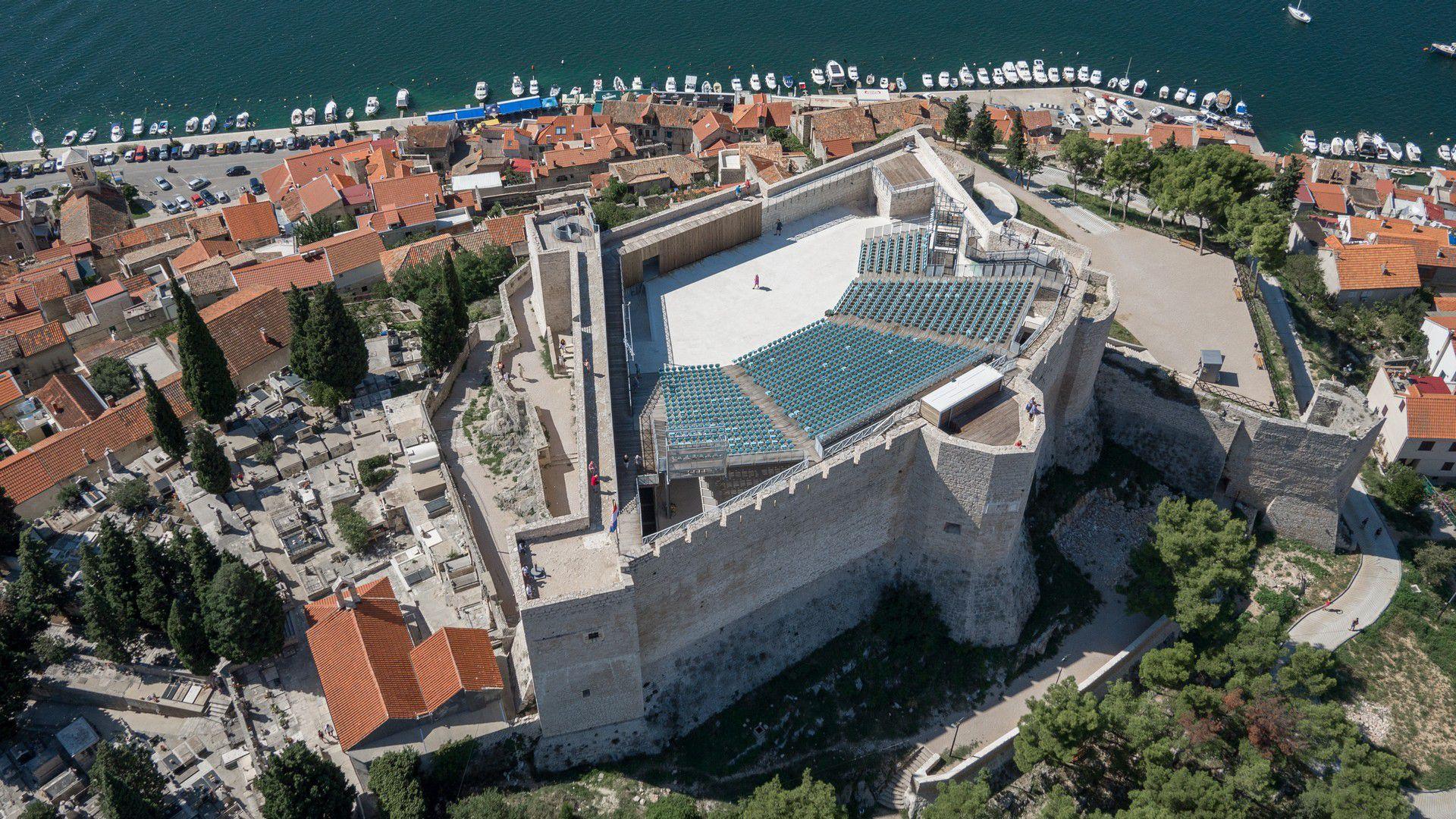
- Modern renovation with polished-concrete infrastructure preserving medieval structure
What is Saint Michael's Fortress in Sibenik?
Saint Michael's Fortress stands as a historic landmark where Šibenik's urban story began, perched dramatically on a steep hill overlooking the city's historic center. Travelers from around the world climb its medieval stone steps to experience one of Croatia's most remarkable cultural venues. Originally a strategic defensive structure dating back to the 13th century, the fortress has transformed into a cutting-edge open-air performance space that hosts summer concerts and cultural events. Its modern renovation blends historic stone walls with polished concrete infrastructure, creating a unique architectural experience that attracts thousands of visitors annually. Photography enthusiasts and history buffs find the fortress particularly compelling, with unobstructed views spanning Šibenik, the Krka River, and distant Adriatic islands. During summer evenings, the fortress becomes a premier Mediterranean stage, hosting music festivals, theatrical performances, and cultural events that draw both local and international audiences. The venue's ticket includes bonus access to Barone Fortress, making it an attractive destination for travelers seeking more than just a typical historical site.
Top things to do at Saint Michael's Fortress
- Attend summer concerts and cultural performances on the open-air Mediterranean stage, featuring local and international artists
- Walk the restored medieval battlements for panoramic views of Šibenik, Krka River, and Adriatic islands
- Explore the fortress's architectural transformation, featuring original 13th-century stone walls integrated with modern polished-concrete infrastructure
- Capture sunset photography from the hilltop location, offering unobstructed views of the surrounding landscape
- Visit the historic exhibition spaces highlighting the fortress's role in Šibenik's medieval urban development
- Use your Saint Michael's Fortress ticket to gain free entry to the nearby Barone Fortress, extending your historical exploration
Tickets and Pricing
Adult tickets cost around 50 Croatian Kuna (approximately €7). Online booking is available through the official Šibenik tourism website, offering a 10% discount for advance purchases. Reduced rates apply for students, seniors, and children under 12. Ticket includes free entry to nearby Barone Fortress, making it a cost-effective cultural experience. Summer season (May-September) offers evening concert tickets at slightly higher rates, ranging from 80-150 Kuna depending on the performance.
History of Saint Michael's Fortress
- 13th Century: Initial construction of the fortress begins on the strategic hilltop location
- 15th Century: Significant defensive reinforcements added during Venetian rule
- 1647: Major renovation to strengthen defensive capabilities against Ottoman threats
- Late 20th Century: Fortress falls into disrepair after losing military significance
- 2010-2014: Comprehensive restoration project transforms fortress into cultural venue
- 2014: Reopened as an open-air cultural stage and historical landmark
Tips for Visitors
- Wear comfortable walking shoes - steep hill and stone paths require good footwear
- Bring water and sun protection during summer months
- Allow 1-2 hours for full exploration of the fortress and surrounding areas
- Evening concerts require separate ticket - book in advance during peak season
- Photography is permitted throughout the site
- Limited accessibility for visitors with mobility challenges due to historic stone structures
Best Time to Visit
Summer months (June-September) offer the most activities, with regular evening concerts and festivals. Sunset provides the most spectacular views of Šibenik and the Adriatic. Early morning or late afternoon visits avoid peak heat and tourist crowds. July and August are the busiest months, so consider visiting in shoulder seasons (May or September) for a more relaxed experience.
What are some interesting facts about Saint Michael's Fortress?
- The fortress was so strategically important that it was the birthplace of Šibenik, serving as the original settlement point for the entire city
- During its restoration, architects intentionally kept original medieval stone walls while integrating modern polished-concrete structures, creating a unique architectural dialogue between past and present
- Saint Michael's Fortress is now considered the most prestigious open-air performance venue in the Mediterranean, hosting international concerts and cultural events where centuries-old stone walls become a backdrop for modern entertainment