Cathedral of St James: A Stone Masterpiece in Šibenik
May 22, 2025

I spent nearly two hours exploring every detail of the Cathedral of St James, fascinated by the 71 unique sculpted heads on the exterior walls and the intricate Lion's Portal. The cathedral is easily accessible from Šibenik's city center, and the multilingual brochure made self-guided exploration straightforward and engaging.
Imagine a cathedral where every stone tells a story, and 71 carved faces from the 15th century watch you from the walls. The Cathedral of St James reveals a hidden world of Croatian craftsmanship, where architecture becomes a living historical document.
Need-to-Know Info Before Visiting The Cathedral of St James in Sibenik
5+
images
The Cathedral of St James in Sibenik Address
Trg Republike Hrvatske 1, 22000 Šibenik, Croatia
The Cathedral of St James in Sibenik Opening Hours
- 🕒 Summer (June-September): 8 AM - 8 PM
- 🕒 Winter (October-May): 9 AM - 5 PM
- 🕒 Closed on major Croatian holidays
How to get to The Cathedral of St James in Sibenik
- 🚗 By car: Easily accessible from Zagreb-Split highway
- 🚌 Public transport: Local bus lines from Šibenik city center
- 🚕 Rideshare: Taxi and local transport apps available
What is The Cathedral of St James in Sibenik known for?
- Unique Gothic-Renaissance church constructed entirely from stone
- UNESCO World Heritage Site with extraordinary architectural design
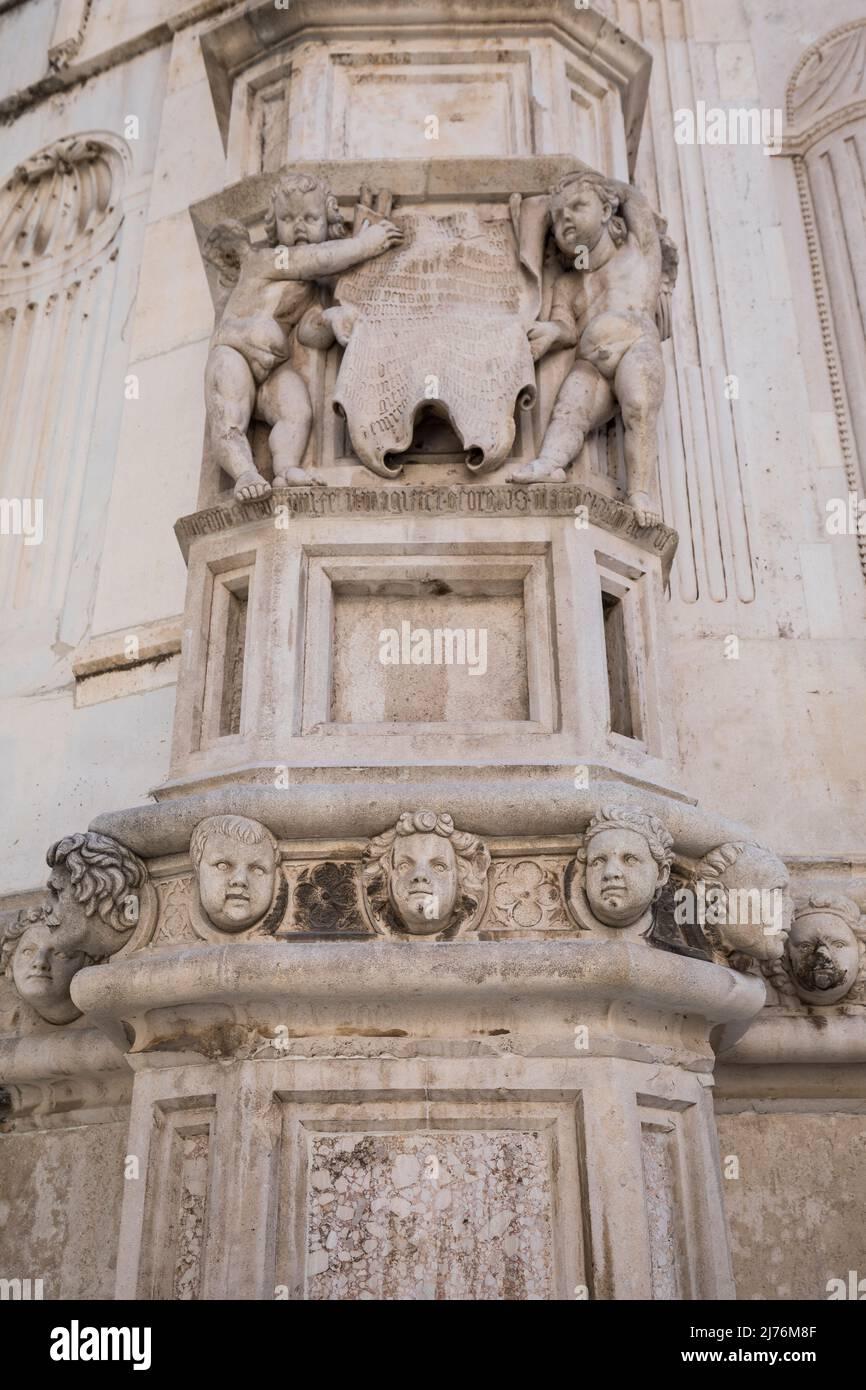
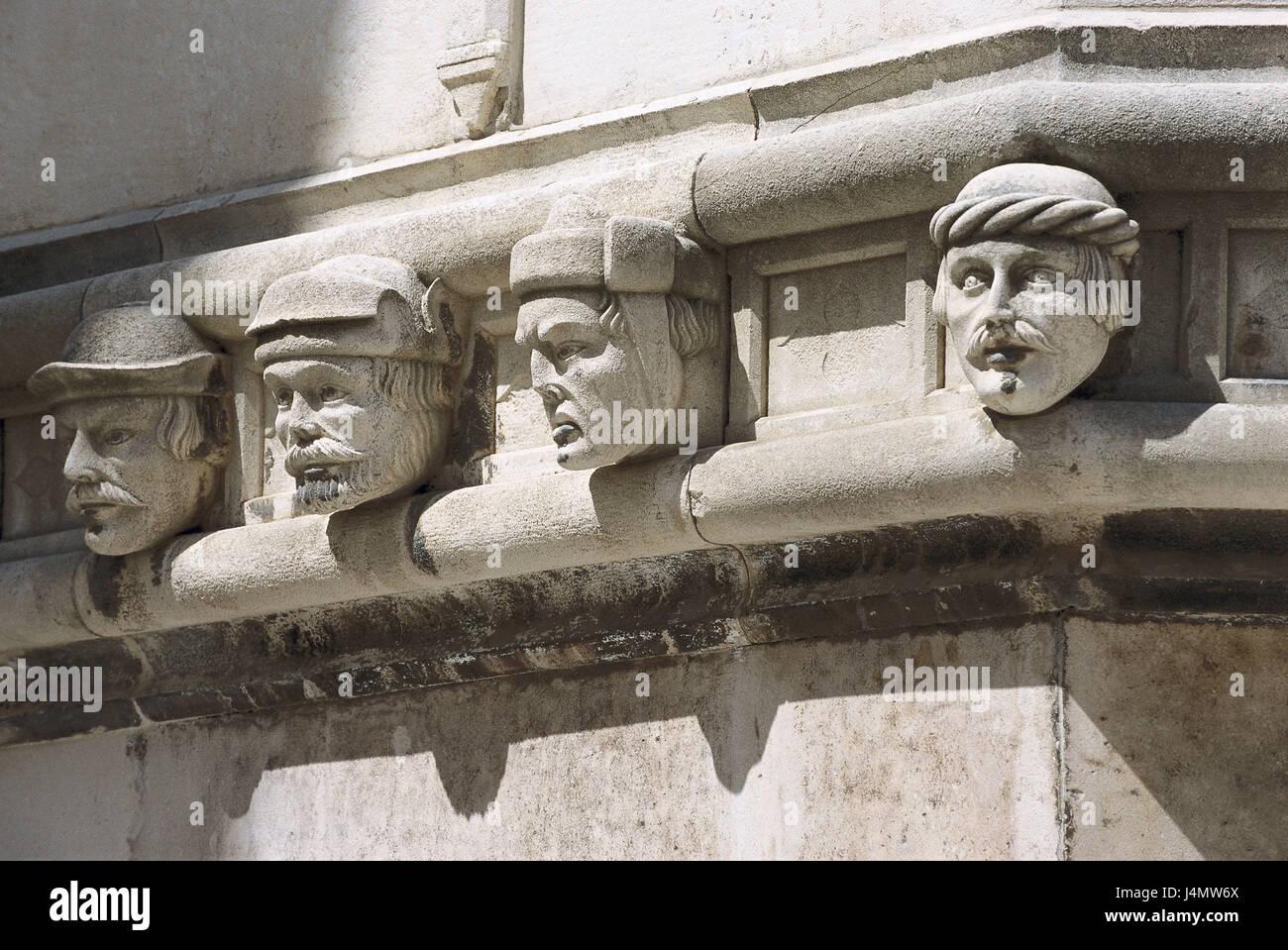
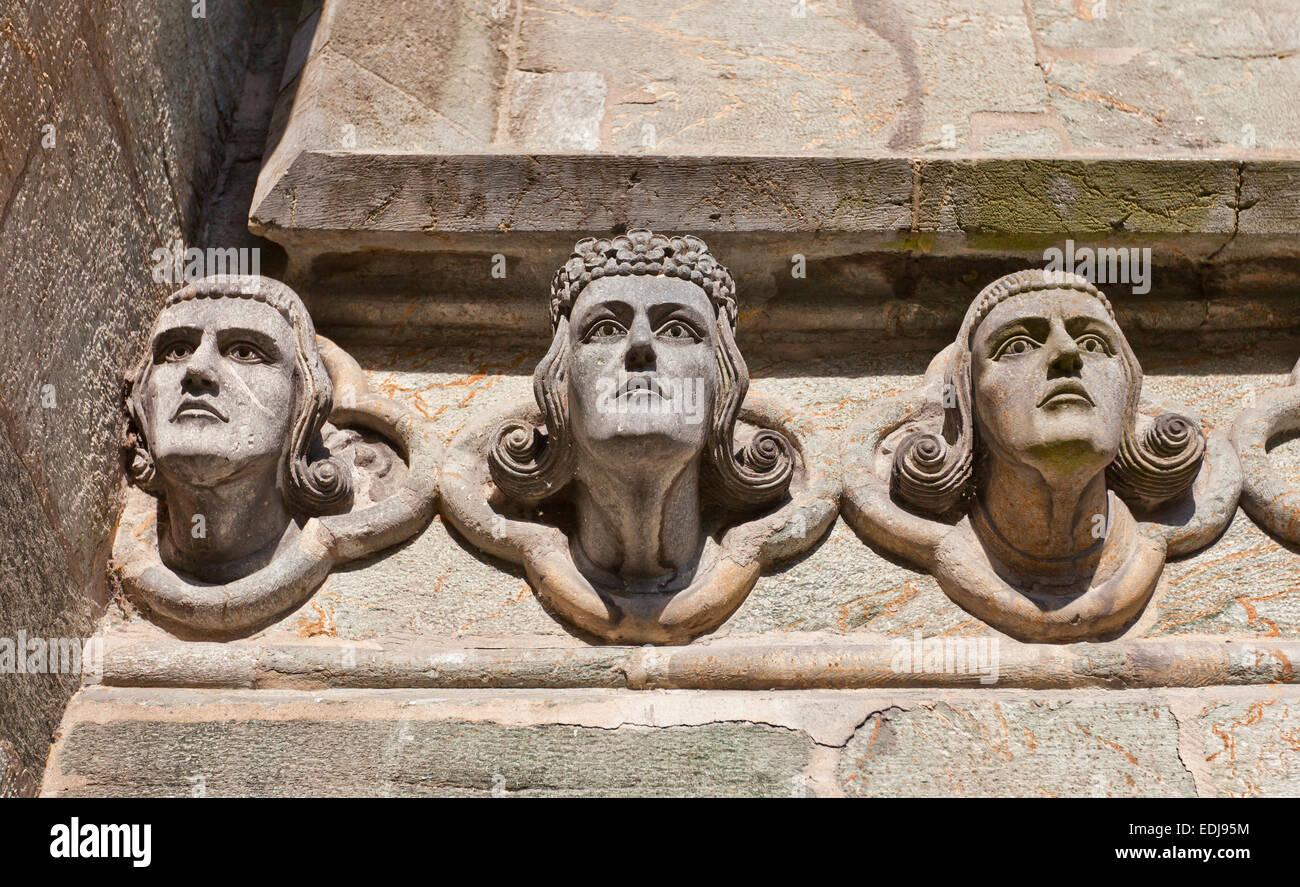
- Features 71 unique sculpted human heads on exterior walls
- First cathedral in Europe built completely without wood or brick supports
- Remarkable Lion's Portal with Adam and Eve sculptures
What is The Cathedral of St James in Sibenik?
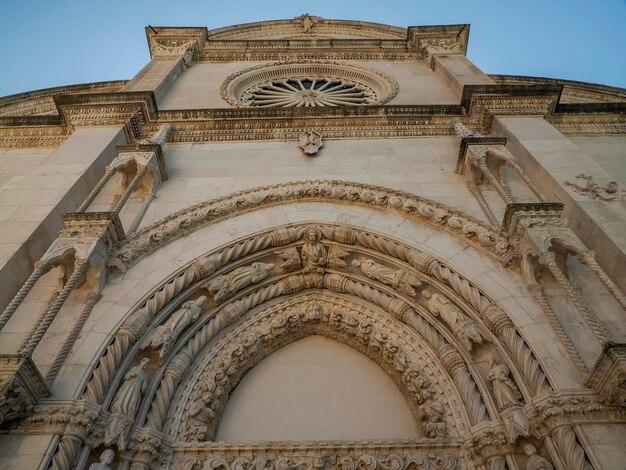
The Cathedral of St James stands as a landmark destination for architecture and history enthusiasts traveling through Croatia's Dalmatian coast. Located in the heart of Šibenik, this UNESCO World Heritage Site attracts thousands of international visitors annually who come to witness its remarkable stone construction. The cathedral represents a rare architectural achievement where every stone was hand-quarried from nearby Croatian islands, creating a structure without a single wooden or brick support. Travelers will find themselves captivated by the 71 unique sculpted human heads decorating the exterior walls - each face telling a story of 15th-century local citizens. The cathedral's design blends Gothic and Renaissance architectural styles, making it a magnet for photography lovers and architectural history buffs. Tourists typically spend between 45-90 minutes exploring its intricate details, particularly the stunning Lion's Portal featuring Adam and Eve sculptures and the meticulously carved baptistery. During peak summer months, guided tours run multiple times daily, offering deeper insights into the cathedral's complex construction history and cultural significance. Its central location in Šibenik also makes it easily accessible, with numerous cafes and restaurants within walking distance, allowing visitors to combine historical exploration with local culinary experiences.
Top things to do at The Cathedral of St James in Sibenik
- Explore the famous Lion's Portal on the northern side, featuring intricate sculptures of two lions supporting columns with Adam and Eve figures
- Study the unique exterior frieze of 71 carved human heads depicting 15th-century local citizens with varied expressions
- Visit Dalmatinac's extraordinary baptistery in the rear corner, featuring a carved ceiling and a font supported by three angels
- Examine the tomb of Bishop Šižigorić and the altar painting of St Fabian and St Sebastian by Filippo Zaniberti
- Take a self-guided tour using the multilingual brochure to discover architectural and artistic details throughout the cathedral
- Photograph the cathedral's unique stone construction and Renaissance-Gothic architectural blend, highlighting its UNESCO World Heritage status
History of Cathedral of St James in Sibenik
- 1431: Initial construction of the cathedral begins
- 1441: Venetian builders work on early stages of the project
- 1441-1451: City seeks new architectural direction
- 1451: Juraj Dalmatinac appointed as principal architect
- 1451-1474: Dalmatinac transforms cathedral's design to Gothic-Renaissance style
- 1474: Death of Juraj Dalmatinac interrupts construction
- 1474-1536: Nikola Firentinac completes the facade in pure Renaissance style
- 1536: Final completion of the Cathedral of St James
Cultural Significance
The Cathedral of St James represents a pinnacle of architectural achievement in Croatia, symbolizing the region's rich cultural heritage. As a UNESCO World Heritage Site, it embodies the transition between Gothic and Renaissance architectural styles. The cathedral's unique stone construction and intricate sculptural details reflect the craftsmanship and artistic vision of 15th-century Dalmatian builders. Its 71 sculpted human heads on the exterior walls serve as a remarkable historical document, capturing the expressions and social dynamics of ordinary citizens from that era.
Tips for Visitors
- Arrive early to avoid peak tourist crowds
- Wear comfortable walking shoes for exploring interior details
- Bring a camera to capture unique architectural features
- Pick up a multilingual brochure for self-guided tour
- Respect silence and dress modestly inside the cathedral
- Allow at least 1-2 hours for a comprehensive visit
- Consider hiring a local guide for deeper historical insights
Best Time to Visit
The Cathedral of St James is accessible year-round, but the best visiting times are during the shoulder seasons of late spring (May-June) and early autumn (September-October). During these months, Šibenik experiences mild temperatures and fewer tourists. Summer months (July-August) can be crowded and hot, while winter months might have limited hours and potentially challenging weather conditions.
What are some interesting facts about The Cathedral of St James in Sibenik?
- The cathedral features a unique architectural detail where each of the 71 sculpted heads on the exterior walls reportedly represents a real 15th-century local citizen, with the facial expressions allegedly reflecting their personal character
- Local legends suggest that the more stingy or miserly a person was during construction, the more unflattering their carved representation became on the cathedral's walls
- The cathedral is recognized as the world's first major religious structure built entirely without wooden or brick supports, using only precisely cut stone from four different Croatian islands